Ra’pberries are my favourite

the raspberry touch

When I was 14, my sister & I shipped off to spend the summer with an uncle & aunt on their raspberry farm. We spent the season picking – as I recall, I could pick up to 8 flats a day. [Unlike strawberries, you can pick raspberries standing up – much better for you ergonomically]. Being paid by the flat was an incentive to do more than sample the wares, but not a sufficient discincentive to fail to indulge. Hate to admit that it was almost 50 years ago, but raspberries are still my favourite fruit.
The first thing I always check for when shopping for groceries is the availability of raspberries. I buy them summer and winter, organic and non, and must confess, I do not look at the price. I just have to have them.  I’ll eat them in the car, with granola or cereal for breakfast, or on pancakes, and with ice cream any day of the week.

raspberry jefe 1

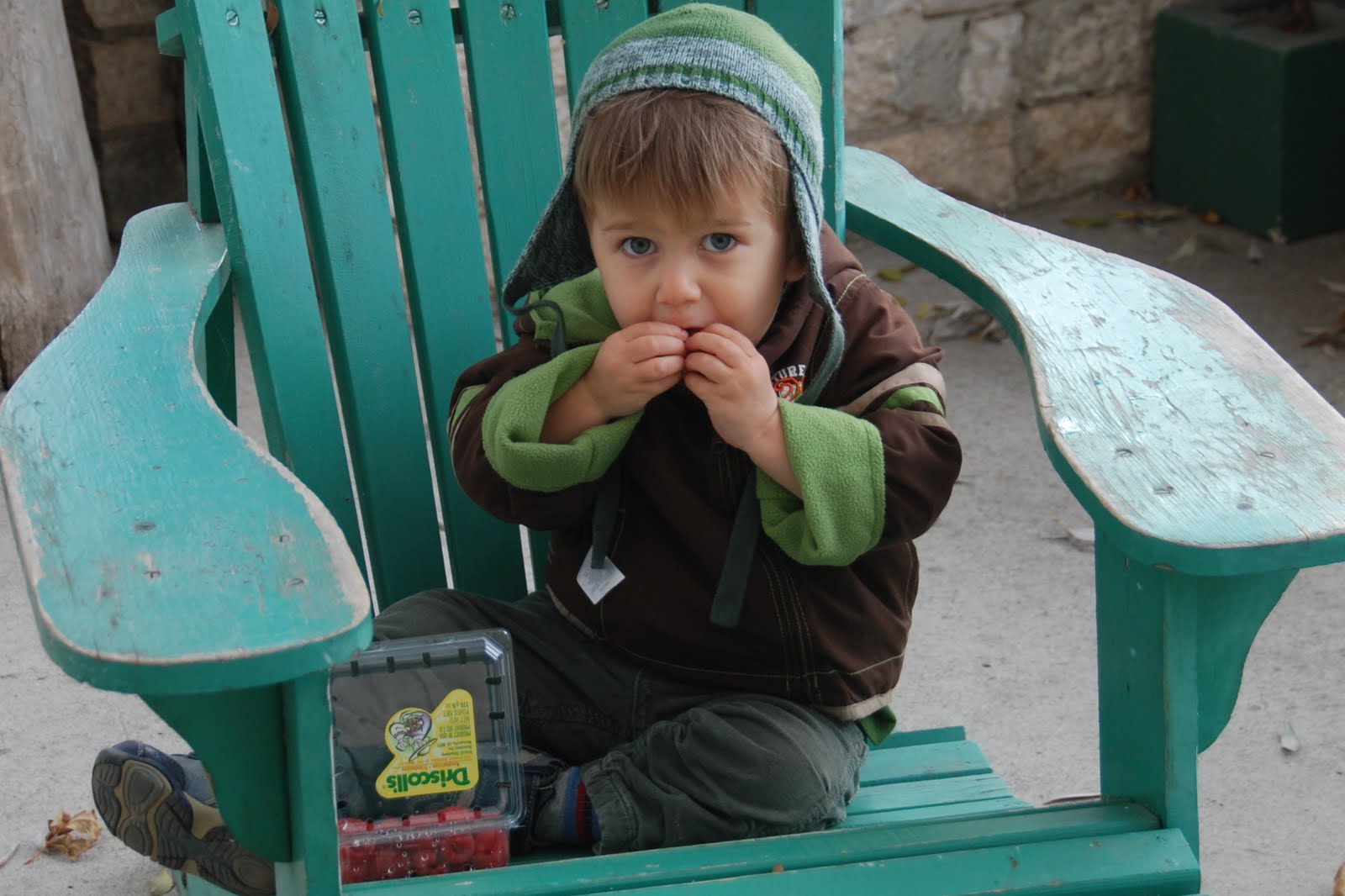
More recently, my little grandson Matias, cursed / blessed with a plethora of food allergies has become a kindred spirit. Like me, he can eat an entire package of “ra’pberries” between the time his parents enter Zehr’s and reaching the checkout cashier. His parents grow raspberries in their backyard, which Matias picks but he saves some for Grandpa – a consideration which I appreciate. 
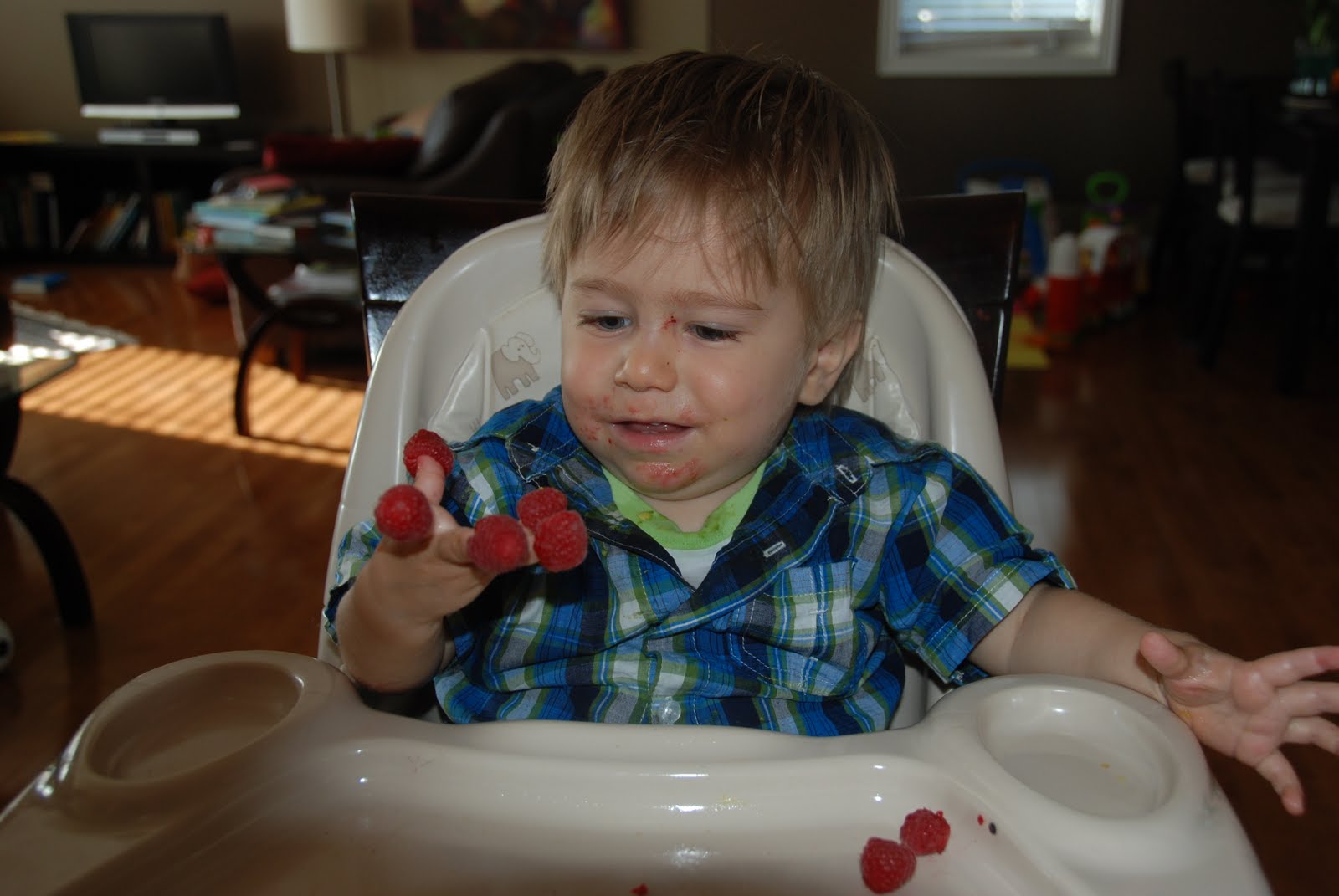
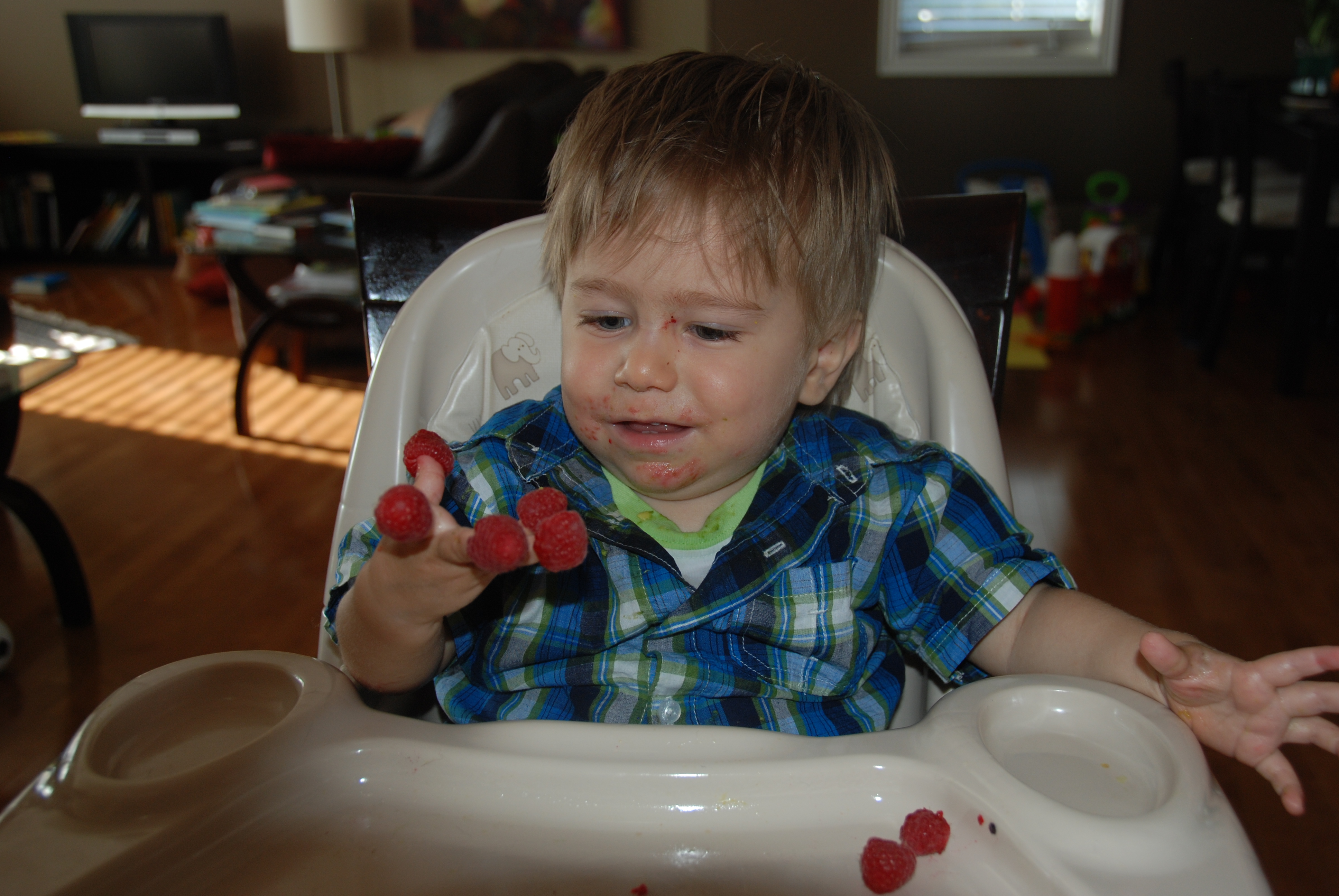
Not only does he enjoy their flavour, he has also developed a tactile appreciation for these aesthetic fruits.
It’s the simple pleasures in life which are often the best. Raspberries, and a little friend who shares them with you.

Posted in Personal | 1 Comment

IDE has no beneficiaries!

In one of my former lives, I worked for Canada’s largest food aid organization. I have been witness to. and participant in. free food aid distribution to very hungry deserving people many times. What always struck me was that the “beneficiaries “standing in those food lines were not only hungry, they had also been robbed of their dignity. It is a shame filled experience to have to stand in a food aid line. IDE has no beneficiaries. We give nothing away. We only have customers – poor, yes, but we still treat them as customers. When you treat people as customers, you allow them to determine whether your products and services have any value to them or not. To be successful in our work, we are forced to listen carefully to our farmer customers. Only if we understand their values, their desires, their aspiration and their household economies will we be successful in creating & offering products and services which they will acquire. It’s about respect.
Not long ago I was in Zambia with a tour group with representatives from IWMI, FAO, SEI, IFPRI and Gates Foundation. The farmer was enthusiastically explaining all he and his family had achieved with IDE drip systems – more food grown, better household nutrition, more food sold into the market, kids going to school. This was a man with pride in his achievements. Not an ounce of shame, and he was not a “beneficiary” of anything. He was a happy, successful customer. Our goal is to associate with a few hundred thousand more smallholder farmers (every year).
Posted in IDE | Tagged , , | 1 Comment

What’s wrong with poverty alleviation?

Well, nothing really, since there are some one billion or more people below someone’s definition of poverty. Without a doubt, poverty is repugnant and abhorrent, just like starvation and hunger is. It invokes a visceral reaction. The trouble with “poverty alleviation talk” is that it sees the world as 1 billion problem cases, and it is our task to (rid ourselves of the associated shame and guilt of this by setting out to) resolutely solve these billion problems. But it is curious that the beauty industry (probably larger than the aid industry) does not go around promoting programs of “ugliness alleviation.” Surely there must be a billion or more of such to be found too! No, the beauty industry responds to their clients’ aspirations of who they would like to be! The beauty industry does not focus (its promotional efforts) on the deficiencies of their clients but rather appeals to their dreams (I have no view on whether these dreams are legitimate or not). Likewise, IDE’s major program was aptly named Rural Prosperity Initiative, not Rural Poverty Initiative. We did so because we wanted to work on the “hope” side of our clients’ livelihoods, not the problem case orientation. This is more than nuances or mere words. If you are a poor person and I come to you to alleviate your condition, I have immediately turned that relationship into a somewhat paternalistic one. On the other hand, if you are a poor person, and I come to you to offer an opportunity – a partnership which will honor your aspirations for a better life, it is a fundamentally different approach. So we would rather talk about creating (modest opportunities for) prosperity than poverty….and it is so much more gratifying for all concerned, too.

Posted in IDE | Tagged , , | 1 Comment